


































 Gamko">




Tableware


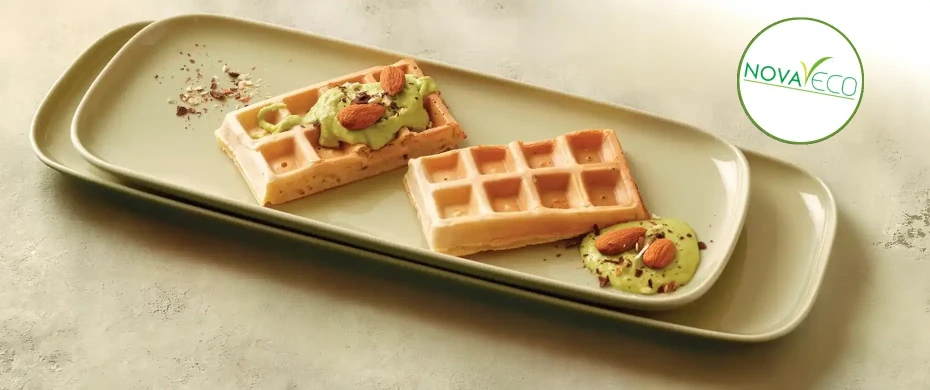
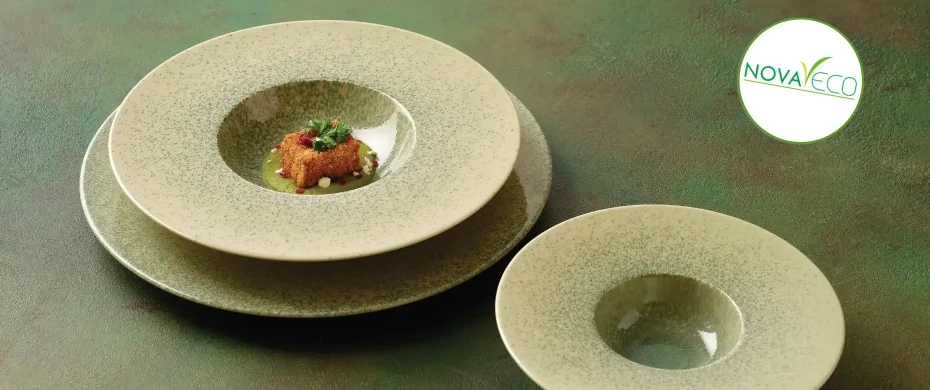
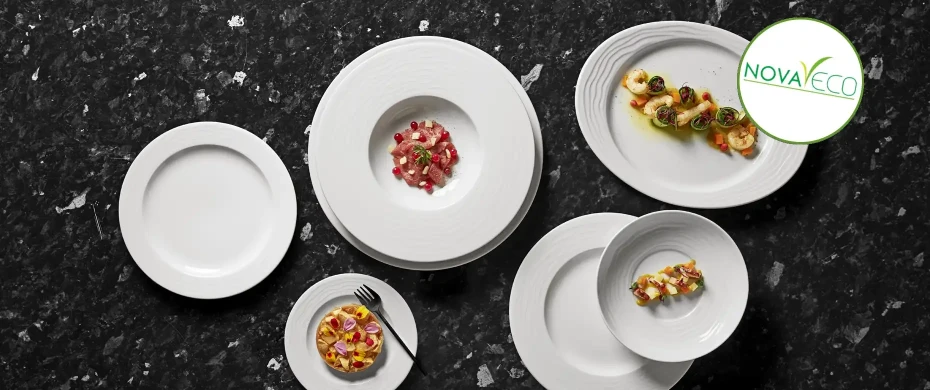




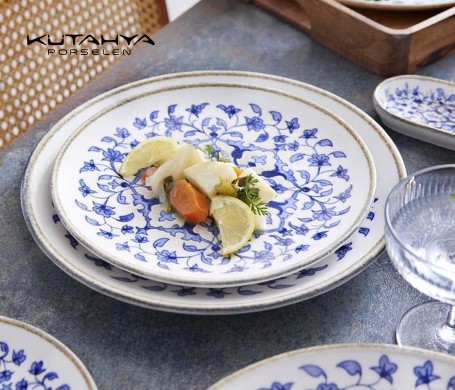


Hotel porcelain in the quality of Nova hard porcelain, Nobel Vitreous porcelain and Nobel Fine Bone China
Jos ten Berg BV specializes in the supply of hotel porcelain and stoneware.
Hotel porcelain in various designs and decorations
Hard porcelain
The brands Nova ,Churchill , Pullivuyt , Serax , RAK porcelain , and Walkure are part of the hotel porcelain product range. Jos ten Berg BV also offers you the option of applying your vignette/logo to porcelain. Your vignette/logo will be applied underglaze, making it microwave-safe and dishwasher-safe.
Jos ten Berg BV supplies Nova hotel porcelain in various models, such as Nordika , Ocean , Opera , Iso la , Saturno , DUO , Cafélegante , Universal , the Jan des Bouvrie coffee cup and saucer , Pisa / Roma / Marina , and Eclipse hotel porcelain . Additionally, the hotel porcelain is available with various decorations. Nova hotel porcelain is also available in different colors. This can be found, among others, in theMix & Match , Cafélegante , and Color Me ! hotel porcelain series.
Vitreous porcelain
Vitreous porcelain is the English name for feldspar porcelain. Our Nobel Extra Durable and Nobel Bits & Bites hotel porcelain models are available in this super strong quality. This model is characterized by its sturdiness due to the addition of aluminium to the porcelain. Furthermore, this model has a unique colour called "off white".
Bone China
Nobel Fine Bone China is available in an elegantly shaped, slim, and thin version. Bone China distinguishes itself from hard and vitreous porcelain by the addition of 45% ground bone ash (calcium phosphate) to the raw material. As a result, Bone China is stronger than hard and vitreous porcelain, making it excellently suitable for professional use, even in a thinner version. Nobel Fine Bone China has a light "off-white" tint and the body is very transparent.
How is hotel porcelain made?
The raw materials of porcelain and the composition of the porcelain raw material
Nova Hard Porcelain
The three components of (hard) hotel porcelain are kaolin, feldspar, and quartz. Quartz and feldspar each make up 25% of the porcelain mass, and kaolin 50%.
Nobel Vitreous porcelain
In Vitreous porcelain, the proportion of quartz and feldspar is higher.
Nobel Fine Bone China
Bone China consists of approximately 57% of the three components of hard porcelain and approximately 43% of ground bone ash.
Quartz and feldspar are ground for eight hours in a drum mill containing water and stones. The resulting liquid mixture is passed through a sieve and past electromagnets to remove coarse pieces and any minute iron particles that could cause quality defects in the final product. Next, the kaolin is added. The resulting sludge is still moist and liquid. To ensure that the water is removed, this mixture is passed through a filter press, which squeezes out the water, leaving behind a mass of solid particles (= moist porcelain raw material). This mass is called filter cake. A portion of this filter cake is passed through a vacuum press. There, the mass is de-aerated and passed to the production department in the form of a flexible, elongated "loaf." These "loaves" are used for the turning technique process. The other part of the filter cake is ground and processed into a type of sludge with water, residual mass, and a thinner. This casting clay is used for casting in molds (liquid clay).
Making casting molds.
New molds for producing tableware are first modeled in plaster. Plastic molds (positive and negative) are made from the plaster model. Working molds for the tableware are then cast from the plastic molds. The base pieces of the porcelain products are then turned or cast using these working molds. The working molds for producing the tableware are made at the factory (in-house production).
Production and design method. There are three methods for making hotel porcelain / tableware products:
Turn
Generally, round, symmetrical porcelain pieces, such as cups, mugs, and saucers, are thrown on the wheel. The porcelain mass is placed in a plaster mold. The outer shape of the tableware item (e.g., pastry molds, bowls, etc.) is formed by the plaster mold. The interior is formed by a metal inner mold. Subsequently, the mold with the porcelain mass is passed through a dryer so that the formed product detaches from the plaster mold and can be removed from the form.
To pour
Generally, non-round items, such as jugs and oval bowls, are cast. a) Hand casting. The casting clay is poured into a plaster mold. The plaster extracts the water from the casting clay, and the porcelain mass adheres to the rim. The excess casting clay is poured off and reused. Then the mold (e.g., of a milk jug or coffee pot) is passed through the dryer. After drying, the cover is removed from the plaster mold, and the rim of the porcelain product is trimmed. The porcelain product is removed from the mold, and any spouts formed by pouring out the remaining casting clay are cleaned. b) Pressure casting system. The casting clay is pressed into a plastic mold under high pressure. Water is extracted from the casting clay. To remove the tableware from the mold, water must be added to the other side of the mold. The porcelain part is removed from the mold using a suction device. Tablets and large porcelain pieces, such as GN bowls, are particularly manufactured using this method.
Presses
Predominantly plates and saucers are pressed. Granulate consisting of porcelain mass (supplied) with a low moisture content (composition is similar to casting clay) is passed between a metal mold and a plastic membrane. Due to the very high pressure exerted on the granulate, the tableware piece achieves its firmness and shape. After this production phase, the protruding edges of all tableware pieces must be shaped and damp-sanded.
Rough fire (1st fire)
Once the sides and edges of the tableware pieces have been cleaned, they are heated, that is to say, fired for approximately 24 hours.
The rough firing temperatures are for the following types of porcelain;
Nova Hard Porcelain: 900ºC.
Nobel Vitreous porcelain: 1250ºC.
Nobel Fine Bone China : 1250ºC.
Heating causes some of the still encapsulated crystal water and other organic particles to escape. Subsequently, the products are stripped of dust.
Glazing (coating with a layer of glass)
The glaze mass has the same composition as the porcelain mass, but with a slightly increased proportion of feldspar. Water is added to the ground powder. This mixture is finely ground in a drum mill for approximately 90 hours. The preheated, dust-free, and stamped porcelain pieces pass through the glazing machine. The solid particles adhere to the heated porcelain pieces. Thanks to the glaze, the surface of the tableware is later protected by the glassy top layer. After glazing, the protruding edges at the base of the glazed pieces are polished to prevent the product from sticking to the kiln shelf during firing.
Final branding
After glazing, the tableware is provided with a base stamp using transfers (adhesive sheets) and placed back on trolleys. The trolleys are now guided through the special glaze firing kiln. The porcelain is fired for approximately 24 hours at a maximum temperature of 1400ºC. The porcelain shrinks by about one-sixth during firing. This must be taken into account when designing new molds.
The final glaze firing temperatures of the following porcelain types are;
Nova Hard Porcelain: 1420ºC.
Nobel Vitreous porcelain: 1100ºC.
Nobel Fine Bone China : 1050 - 1150ºC.
Decoration:
1. By hand.
Hand painting is limited to simply painting edges with color or precious metal, or to applying an entire decoration in precious metal with special brushes.
2. Printing.
This is one of the most important decoration techniques. The decorations printed on specialty paper, particularly the customer-specific logos, are applied to the glazed tableware using adhesive sheets.
3. Spraying.
This is also one of the most important decoration techniques. Using spray guns, the color is applied to the tableware in solid areas, either by hand or via spray robots, depending on the type of item or quantity.
Firing in the decorations:
The decorated tableware must still be fired to preserve the color or decoration. Precious metal decorations and decorations with some bright colors are predominantly fired with an additional firing at approx. 850 degrees Celsius. These decorations are dishwasher safe, subject to availability. The majority of our colors and decorations are fired using the in-glaze method at approx. 1200 degrees Celsius. The advantage is that at this temperature the glaze layer melts slightly, allowing the color to penetrate the glaze and thus be better protected. Such decorations on tableware created using this method are therefore absolutely dishwasher safe.
If you would like more information about hotel porcelain, please contact us to inquire about the possibilities, or visit our showroom in the center of the country and let our sales advisors inform you.